



aluminium foil rolling mill
Maximizing Performance and Sustainability An In-Depth Exploration of the Aluminum Foil Rolling Mill Aluminum foil rolling mills, known as مطحنة درفلة رقائق الألومنيوم in Arabic, are complex and sophisticated machines pivotal in the production of high-quality aluminum foils. These machines not only reflect advanced engineering but also demand precise technical expertise to operate and maintain. Their efficiency impacts not just production rates and quality but also the sustainability efforts of the manufacturing plant. This article aims to shed light on the multifaceted aspects of these machines, focusing on their operational efficiency, technological advancements, and environmental considerations. Aluminum foil rolling mills convert aluminum slabs into thin, flexible sheets of metal under high pressure through rolling. The importance of these machines lies in their ability to produce foils that are integral to numerous industries, from food packaging and electronics to aerospace and automotive sectors. Each application demands different specifications, like thickness and surface finish, which must be met precisely by the rolling mill. Operational experience with aluminum foil rolling mills indicates that maintaining optimal performance requires a profound understanding of the machine's intricacies. Operators must be adept at handling several variables simultaneously, such as temperature control, roll pressure, and speed adjustments. Inexperienced handling can result in defects like thickness variation or the production of low-quality foils, leading to significant material wastage and financial loss. Furthermore, routine maintenance is crucial to ensure that the mill functions at peak efficiency and longevity, reducing unexpected downtimes which can disrupt production schedules. The expertise involved in the upkeep and operation of these milling machines is formidable. It encompasses knowledge of metallurgy, mechanical engineering, and material science. High-tech sensors and automation technologies are integrated within modern mills to aid operators in monitoring and controlling the production process with heightened accuracy and efficacy. These technological innovations are tailored to improve the precision of foil thickness, surface roughness, and elongation, as well as to enhance productivity by minimizing the rolling mill’s idle times. Aluminum chip drill mill In terms of authority in the field, it is imperative for manufacturers of aluminum foil rolling mills to continually innovate and adapt to the latest developments in engineering and environmental science. The leading companies are those that pioneer advancements in mill technology, offering systems that boast increased energy efficiencies and capacities. They are looked up to for their commitment to research and development, proposing new materials and processes that contribute to an industry-wide push toward more sustainable manufacturing practices. Sustainability is a key consideration for the contemporary operation of rolling mills . The industry faces enormous pressure to reduce its environmental footprint. Efforts have been directed at improving energy consumption rates, recycling aluminum scrap efficiently, and minimizing the release of greenhouse gases. Trustworthiness in this industry is increasingly linked to a company’s capacity to produce sustainable aluminum foil that does not sacrifice performance for eco-friendliness. Trustworthiness from the user perspective is also influenced by a company's ability to deliver consistent quality. Manufacturers need a reliable operational framework that allows for meeting contractual obligations on time while ensuring that the product specifications are adhered to meticulously. Transparent communication and adherence to industry standards further bolster a brand’s reputation as trustworthy. In conclusion, aluminum foil rolling mills are at the heart of the aluminum foil industry, requiring a delicate balance of experience, expertise, authoritative knowledge, and trustworthiness to operate effectively. Innovation, sustainable practices, and proactive maintenance are crucial components that define the success of these machines in the modern era, ensuring that they continue to fulfill the ever-evolving needs of global industries reliant on high-quality aluminum foils.

We have successfully executed over 500
projects around the world,
many first-of-their-kind
research projects and products in China, including
We have successfully executed over 500
projects around the world,
many first-of-their-kind
research projects and products in China, including
-
2004
The 1st hydraulic AGC system for hot rolling of ribbon steel
-
2006
The 1st AFC system used for 1450mm skin pass mill
-
2009
The 1st 5-stand tandem line with 2-stand POR & Uncoiler for 650mm ribbon steel
-
2012
The 1st reversing mill for 1380mm strip
-
2016
The 1st soft-rolling system used in skin pass mill
-
2019
The 1st fully automated medium-width tandem cold rolling mill
-
2021
The 1st 5000KN Twin-stand double skin pass mill
-
2022
The 1st coupled pickling line & tandem cold mill with two modes - big roller & small roller
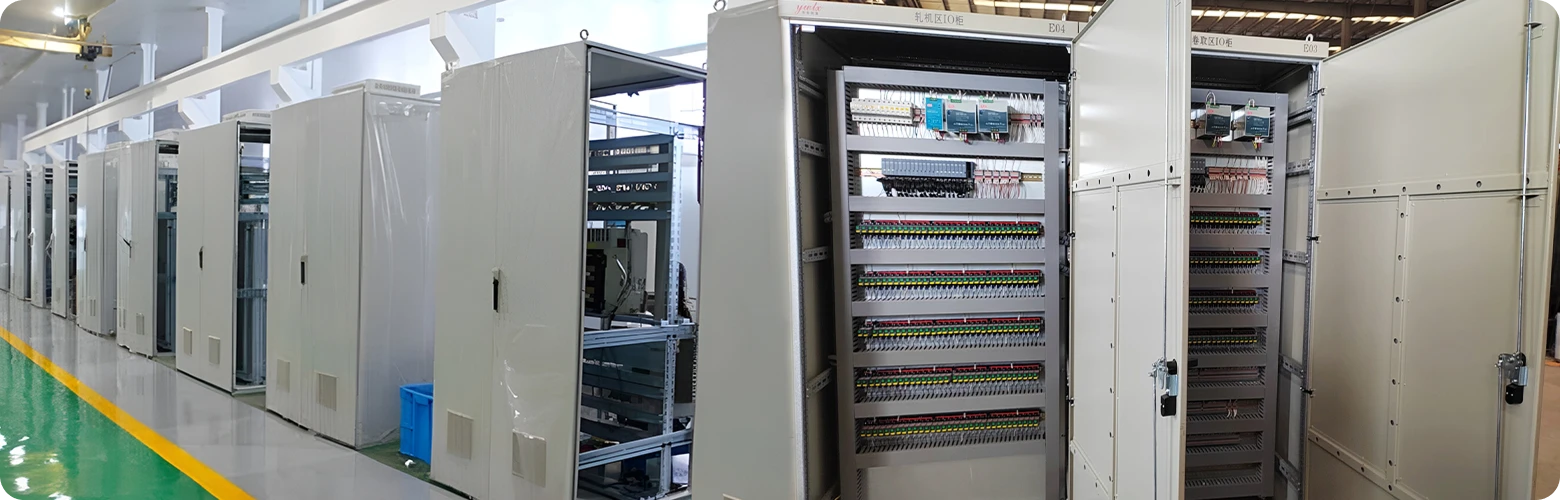
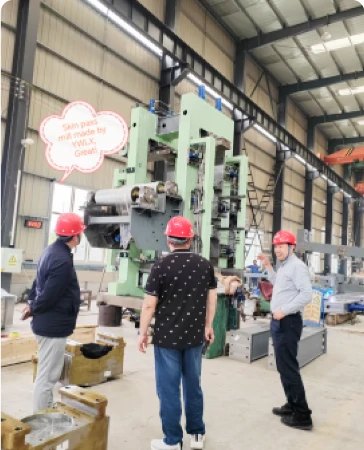

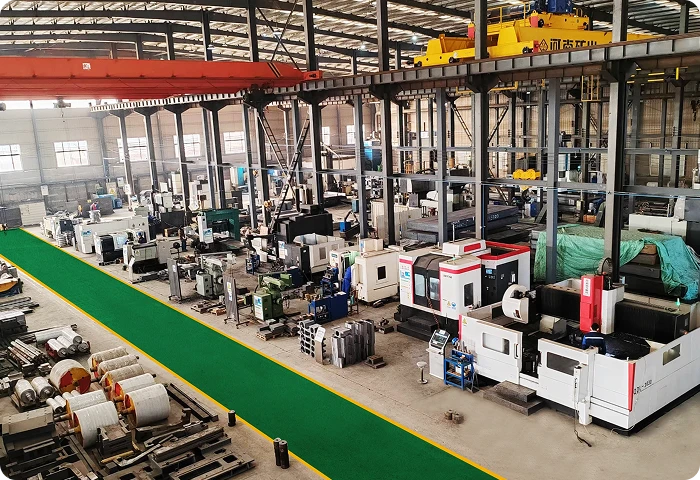
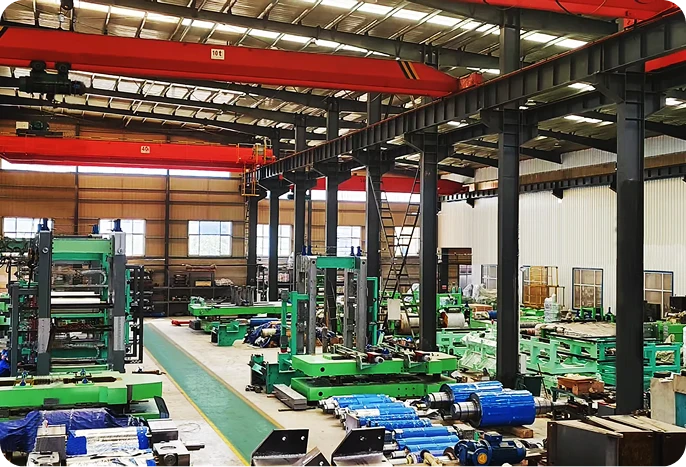
Yang Wang Li Xin operates a state-of-the-art facility over 66,000 square meters,and our manufacturing facility is fully equipped with high-tech machinery and high-capacity cranes. This enables us to handle large work pieces measuring 4.5m in width, 10m in length, and 1.5m in height, guaranteeing our capacity to produce 1800mm skin-pass mills and 1450mm rolling mills. The individual piece can weigh up to 100 tons.


Quality is fundamental to the enterprise survival. We have established a comprehensive and meticulous quality management system and have successfully obtained ISO14000 certification. Starting from the design source, it supervises the entire production cycle, including design, procurement, processing, assembly, in-factory testing, installation, and online commissioning. The workshop is equipped with measuring tools like vernier calipers, spectrometers, hardness testers, and ultrasonic flaw detectors. They are used to check materials and control tolerances to ensure the final equipment meets or exceeds requirements. All products have a unique code, This enables the easy identification and traceability of the equipment components and ensures full control of quality.


-
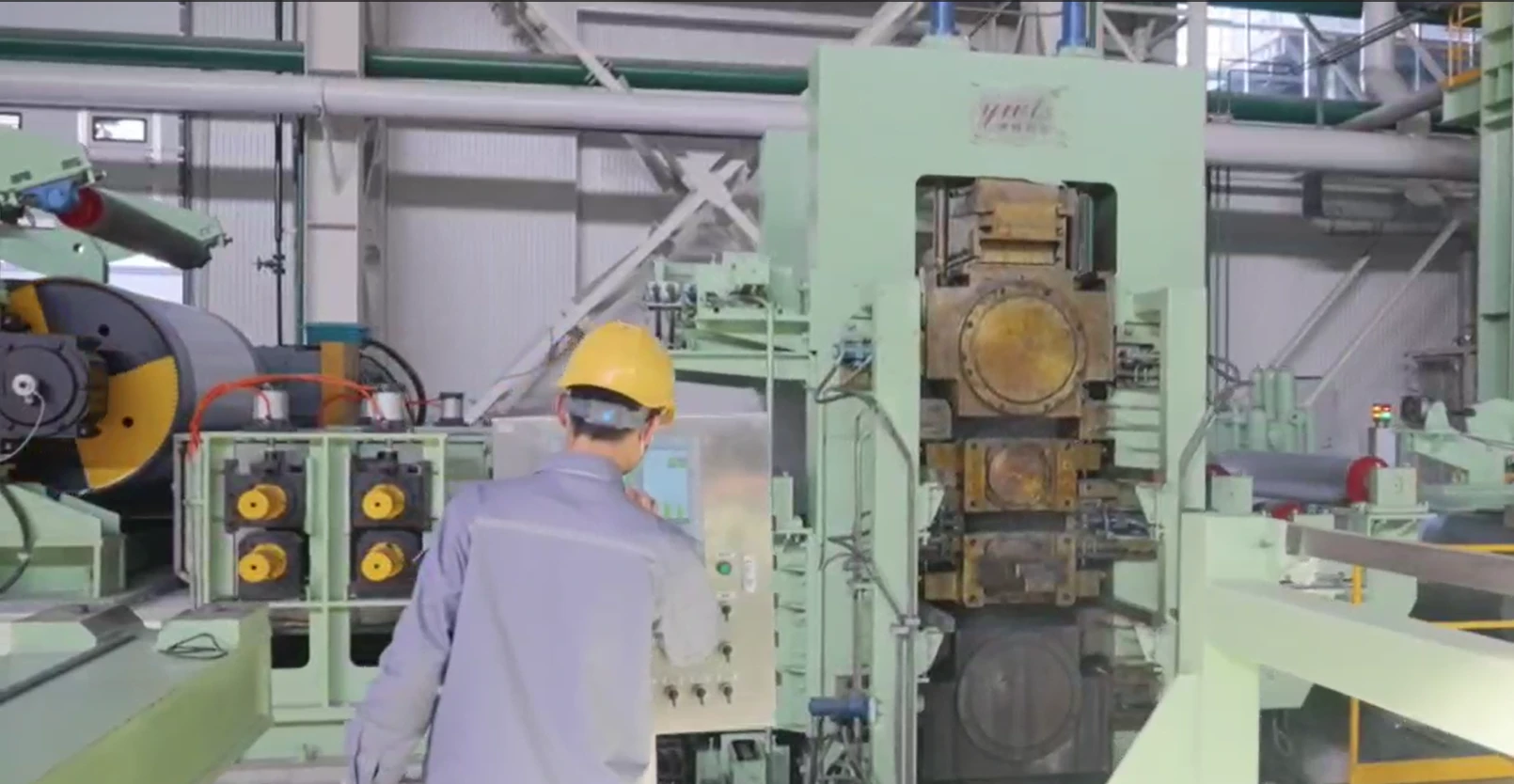 High-Efficiency Reversible Rolling Mill for Hot Strip & Cold RollingUltimate Guide to Reversible Rolling Mill & Hot/Cold Rolling Mills: Trends, Technology, and Applications Updated: June 2024 • By Beijing YWLX Technology Co., Ltd. • Official Product Page Hot/Cold Rolling Production Line is the next-generation reversible rolling mill , optimized for modern steel processing industries. This guide unpacks industry trends, technical benchmarks, key process flows, supp
 -
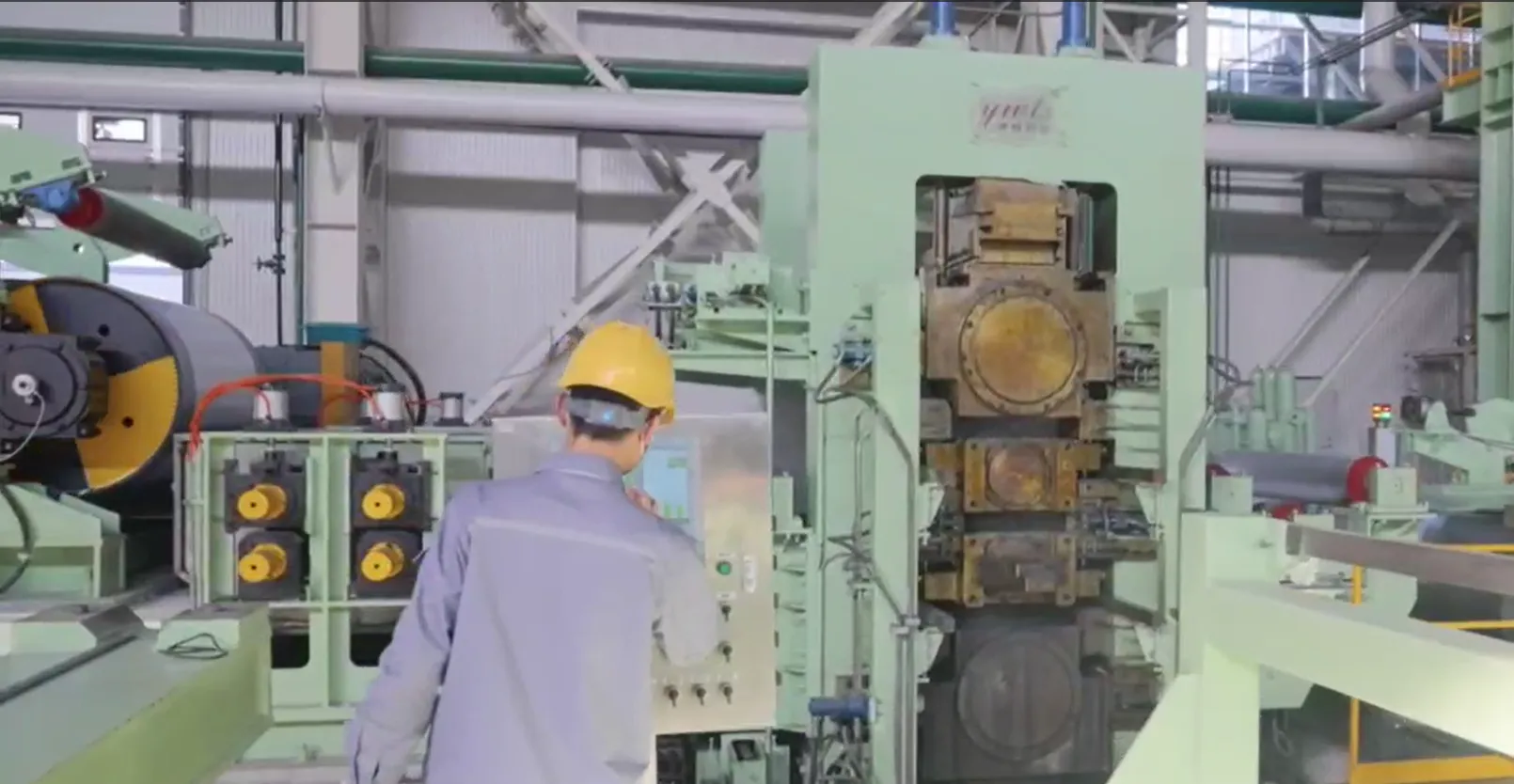 Advanced Reversible Rolling Mill: Precision & EfficiencyReversible Rolling Mills: Driving Precision and Efficiency in Metal Production In the highly competitive landscape of metal manufacturing, the demand for superior material quality, tighter dimensional tolerances, and increased production efficiency continues to grow. At the forefront of meeting these stringent requirements is the reversible rolling mill – a cornerstone technology vital for both ho
 -
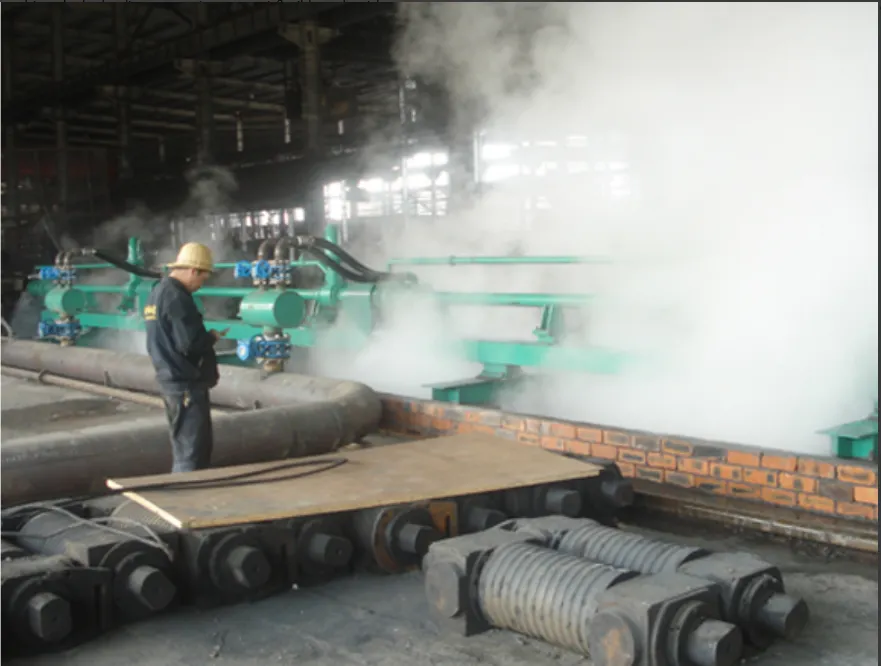 Efficient Reversible Rolling Mill for Hot & Cold Strip Steelreversible rolling mill, hot strip steel mill, cold rolling mill is a key solution in the manufacturing industry, specifically within Metallurgical equipment manufacturing and Manufacturing of steel rolling equipment. This article explores how Beijing Yang Wang Li Xin Sci&Tech Co.,Ltd. supports professionals with durable, high-performance products, and explains why this product is an ideal choice


